
Why All Vacuum Hoses and Adapter Kits Are Not the Same
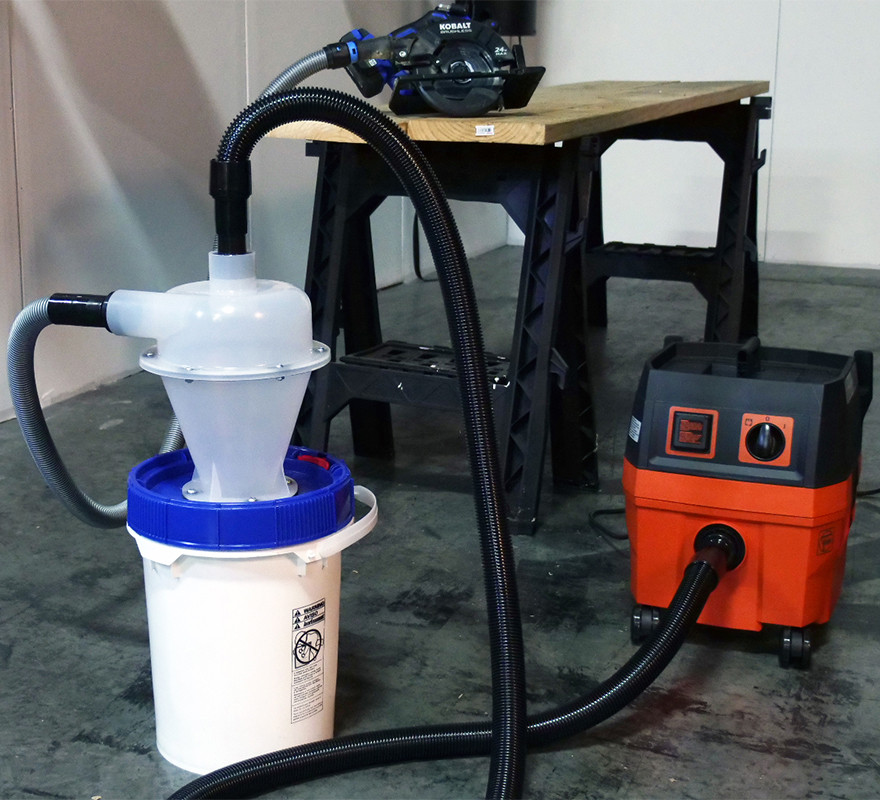
When shopping for vacuum hoses and power tool adapter kits online, it can be easy to assume that similar-looking products will perform the same way. Many hoses use similar colors, similar-looking cuffs, and similar adapter shapes. Some may even appear nearly identical in product photos.
However, the way a vacuum hose is made can have a major impact on how it performs in real use.
A hose that looks right in an image may be stiffer, harder to adapt, less flexible, or less compatible with common shop vacuums and power tools. For customers using a hose for dust collection, sanding, routing, cutting, or general shop cleanup, these differences matter.
Appearance Does Not Tell the Whole Story
From the outside, two vacuum hoses can look very similar. They may both have corrugated bodies, molded collars, tool adapters, and clip-style connection systems.
The difference is often found in the details:
- How the hose is manufactured
- Whether the inside of the hose is smooth or corrugated
- How flexible the hose is
- Whether the adapters stretch enough to fit different tool ports
- Whether the hose cuffs are threaded, molded, or copied from another design
- Whether the system works across the wide range of shop vacuums in the market
A customer who has never used a premium hose may not immediately recognize these differences from a product image. The difference usually becomes clear during use.
Blow-Molded Hose vs. Premium Flexible Hose
Many lower-cost shop vacuum hoses are blow molded. Blow-molded hose is common on traditional home shop vacuums because it is inexpensive and functional for basic cleanup.
However, blow-molded hose often has a corrugated interior and can be noticeably stiff. It may retain its shape from packaging and may need time to relax after shipping. This type of hose can work for basic vacuuming, but it may not provide the same handling experience as a more flexible hose designed for power tool dust collection.
For handheld tools like orbital sanders, routers, saws, and other dust-producing tools, hose flexibility matters. A stiff hose can pull against the tool, make it harder to control, and create more drag while working.
Why the Interior of the Hose Matters
The inside of a hose affects airflow and debris movement.
A corrugated interior can create more turbulence as air and debris move through the hose. For general shop cleanup, this may not always be a major concern. But for dust collection, especially when working with fine dust or larger debris, airflow efficiency becomes more important.
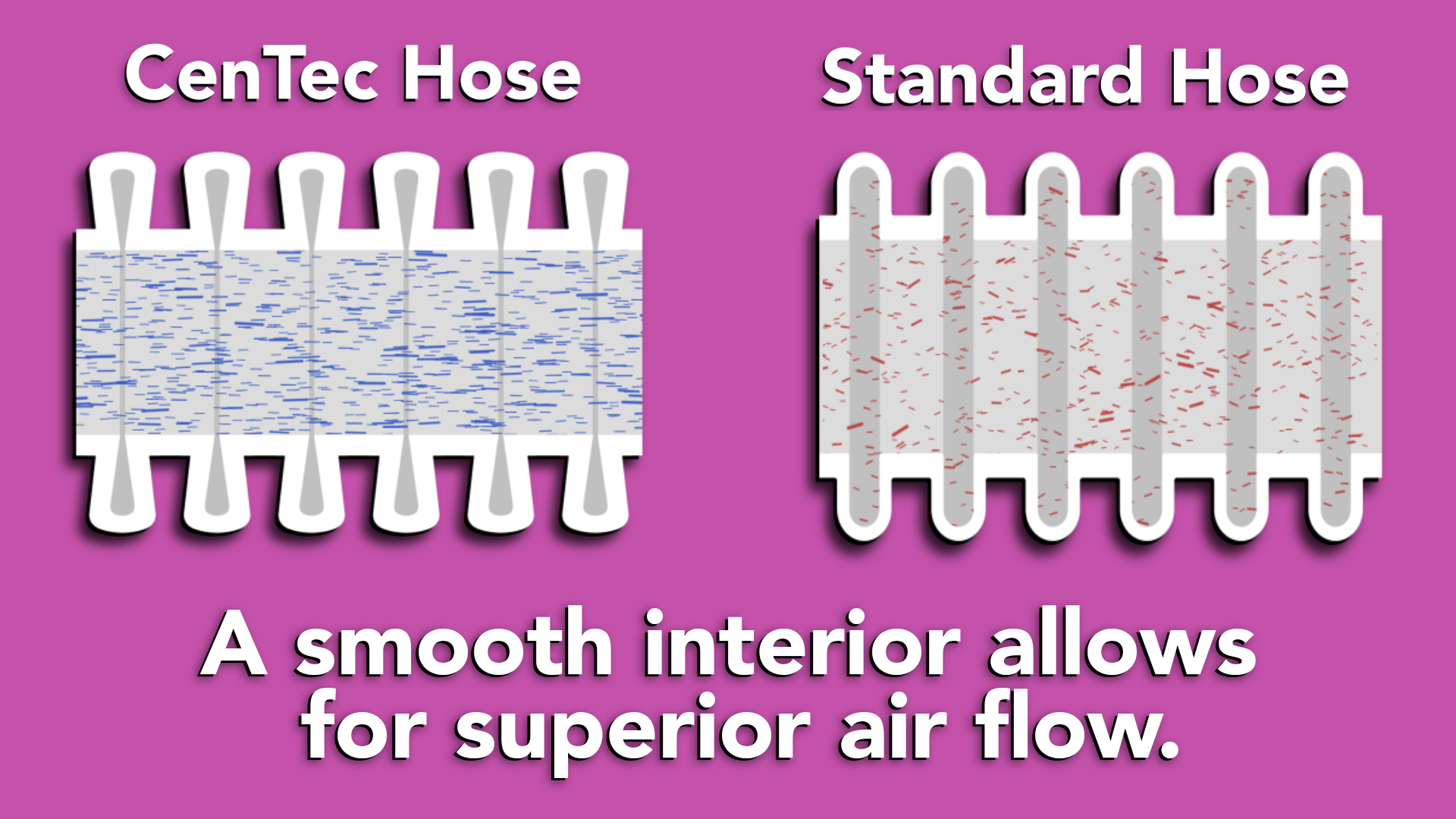
A hose designed for dust collection should balance flexibility, airflow, crush resistance, and adapter compatibility.
Adapter Material Makes a Difference
Adapter flexibility is another important difference between hose systems.
Some adapters are made from harder material that may not stretch enough to fit a wide range of tool ports. This can limit compatibility with certain brands or make the connection more difficult.
Cen-Tec Quick Click adapters are designed with flexible TPE material that allows the adapter to stretch and conform to many common tool connections. That flexibility helps the system fit a broader range of tools, including brands and port sizes that may be difficult for harder adapters to capture.
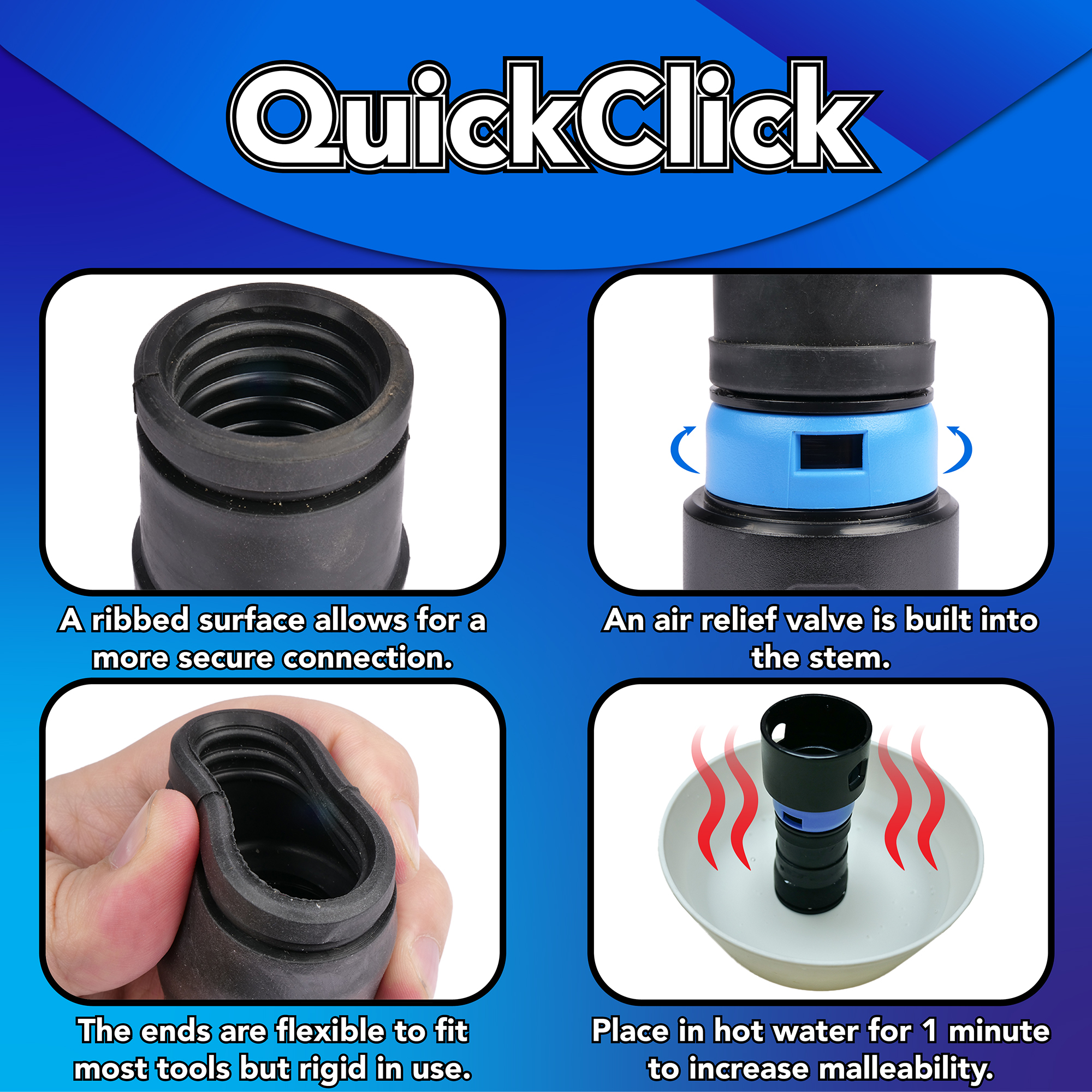
This matters because power tool dust ports are not universal. Even when two tools are described with similar connection sizes, the actual outside diameter, shape, taper, and fit can vary.
Shop Vacuum Connections Are Not Universal
One of the most common challenges in the shop vacuum market is that vacuum tank inlets are not all the same size.
A hose or adapter may fit one shop vacuum perfectly but fail to fit another. Differences in vacuum inlet size can create frustration for customers who assume all shop vac connections are standardized.
Common connection challenges include:
- Larger shop vacuum inlets
- Smaller compact vacuum inlets
- Dust separator connections
- Tapered tank ports
- Brand-specific hose cuffs
- Tool ports that are oval, tapered, stepped, or non-standard
This is why adapter design matters. A good system needs to account for real-world variation, not just one ideal connection size.
Tool Brand Compatibility Can Be the Hardest Part
Dust collection becomes even more complicated when connecting to handheld power tools.
Brands such as Makita, Metabo, Ryobi, Bosch, DeWalt, Festool, Fein, and others all use different dust port shapes and sizes across their tool lines. Some are round. Some are oval. Some are tapered. Some require an adapter that can stretch. Others need a more precise connection.
A hose kit may look complete, but if the adapters are too rigid or too limited in size range, it may not work well across multiple tool brands.
The primary value of a multi-brand adapter system is not just that it includes several parts. The value is whether those parts actually fit the wide variety of tools customers use every day.
Finish and Fit Are Part of Product Quality
Small details can also affect the customer experience.
Surface texture, collar shape, clip opening design, adapter finish, and the fit between parts all influence how the system feels in use. A product may look similar in a photo, but the fit and finish may not be the same in hand.
A better adapter system should connect securely, release properly, rotate when needed, and provide enough flexibility to handle real-world applications.
Why Quick Click Was Designed for Real-World Use
The Cen-Tec Quick Click system was developed to solve the practical problems customers face when connecting vacuums to power tools, hoses, separators, and cleaning accessories.
The goal is to make one hose more useful across many applications, including:
- Power tool dust collection
- Sanding
- Routing
- Sawing
- Shop cleanup
- Dust separator connections
- General vacuum use
Quick Click is designed around flexibility, fit, and broad compatibility. The system is built to handle the reality that vacuum and tool connections vary widely across the market.
Price Is Only One Part of the Decision
Lower-cost hose and adapter kits can look appealing, especially when the product images appear similar. But price alone does not show how the product will perform once connected to a vacuum or power tool.
Customers should consider:
- Is the hose flexible enough for handheld tool use?
- Is the hose too stiff for detailed work?
- Will the adapters stretch to fit different tool ports?
- Will the system connect to the vacuum or separator being used?
- Does the hose have a corrugated or smoother interior?
- Are the cuffs and collars compatible with the intended accessories?
- Does the system solve the connection problem, or only appear to?
For basic cleanup, a low-cost hose may be enough. For power tool dust collection and multi-brand compatibility, the design details become much more important.
The Bottom Line
Not all vacuum hoses and adapter kits are the same, even when they look similar online.
The best hose system is one that fits the way customers actually work. It should be flexible enough for handheld tools, durable enough for shop use, adaptable enough for different brands, and compatible with the vacuum or separator being used.
For customers who want one hose system that can support multiple tools and cleaning tasks, Cen-Tec Quick Click offers a practical solution designed around real-world connection challenges.