
Customer Question: How Do I Vacuum 21-Foot Log Walls and Purlins from the Floor?
Every once in a while we get a question that is so specific, you know other people are wondering the exact same thing.
A customer reached out to us about cleaning a log home with large handcrafted logs and purlins as high as 21 feet. He already had a good commercial canister vacuum and wanted to know what kind of long-reach setup would actually let him clean those elevated surfaces from the floor.
His question was a good one:
“I own a log home with large handcrafted logs, about 12 inches in diameter or a little bigger. The purlins are up as high as 21 feet running the length of the house. I want to vacuum the side walls too. Looking for wands, either aluminum or fiber, and a brush I can stand on the floor and use to sweep the big logs, tops, bottoms, and sides. I doubt the 5 or 7 inch curved pipe brushes are big enough.”
That’s a very real-world cleaning problem.
This wasn’t just about reaching something high. It was about cleaning large round surfaces, tracking the curve of the logs, and doing it all without climbing up and down ladders.
The Challenge with Cleaning Log Homes
Log homes are beautiful, but they create a cleaning challenge you don’t run into with flat drywall.
You’re not just dusting a flat wall. You’re trying to clean:
-
rounded log surfaces
-
upper purlins
-
transitions where logs meet the wall or roofline
-
elevated windows and frames
-
surfaces that may be 20+ feet up
That means the tool has to do more than just reach. It has to follow the curve of the surface and stay in contact while you work from below.
The Recommended Starting Point: 95754 Reach Kit
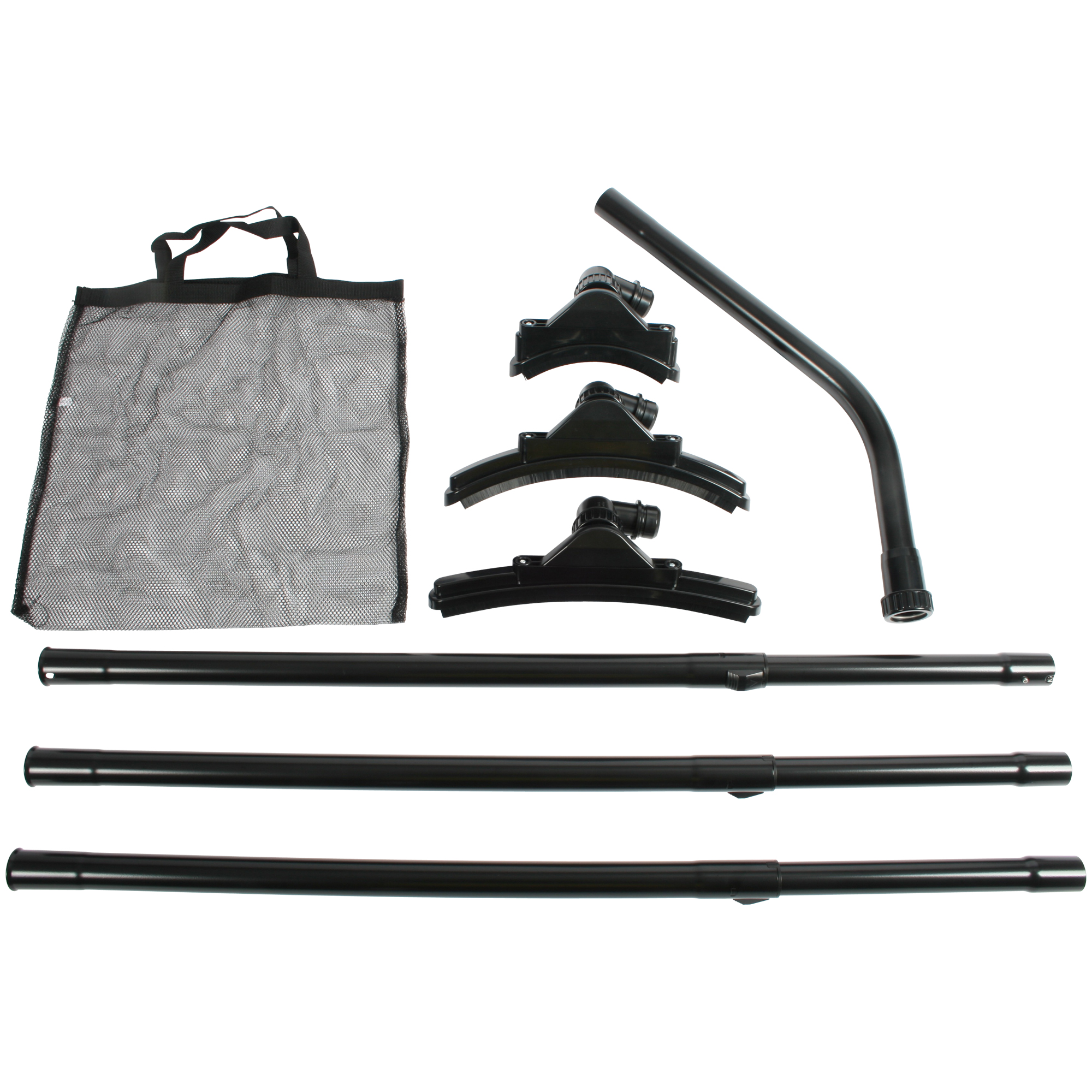
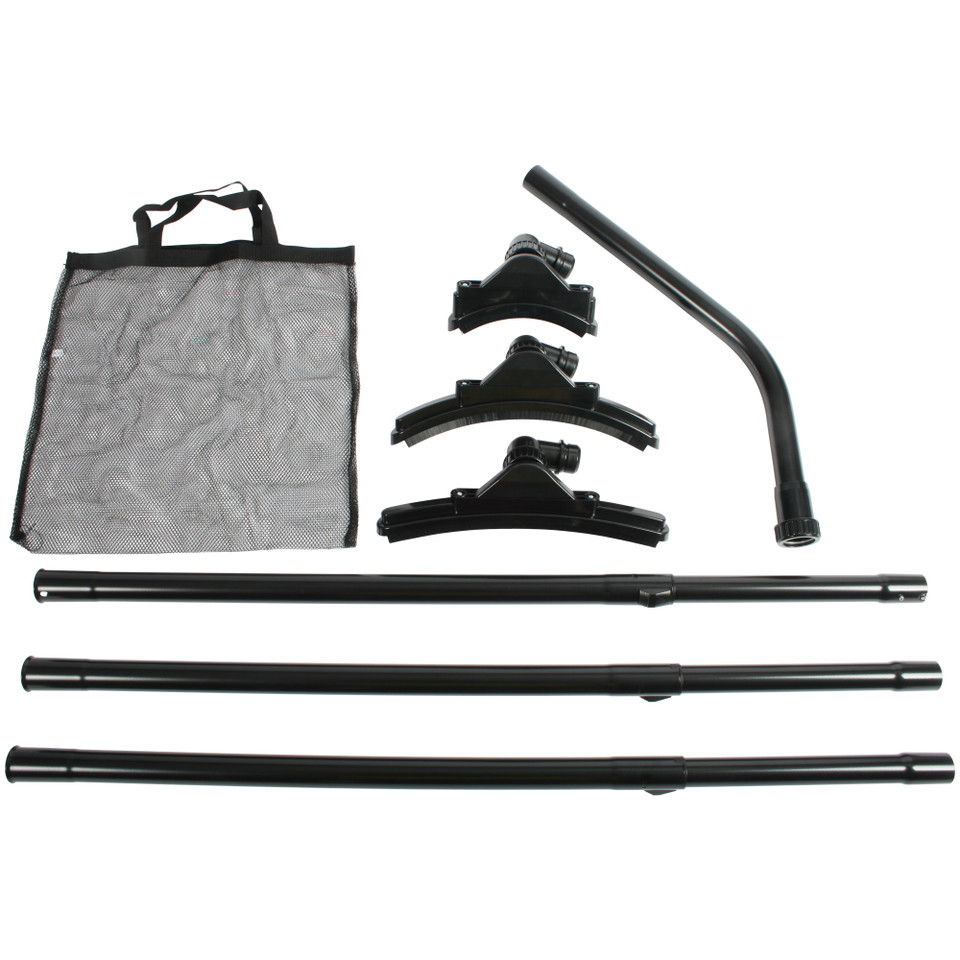
For this application, the best place to start was the 95754 kit from the Reach section of Cen-Tec’s commercial cleaning solutions.
Why this kit?
Because the tools in the 95754 were designed to clean round ventilation ductwork from 1 foot to 4 feet in diameter. That makes them a strong fit for cleaning large round log surfaces as well.
The biggest advantage is the double pivot neck design. That feature helps the tool track a curved surface up and over the top while the user stays on the floor.
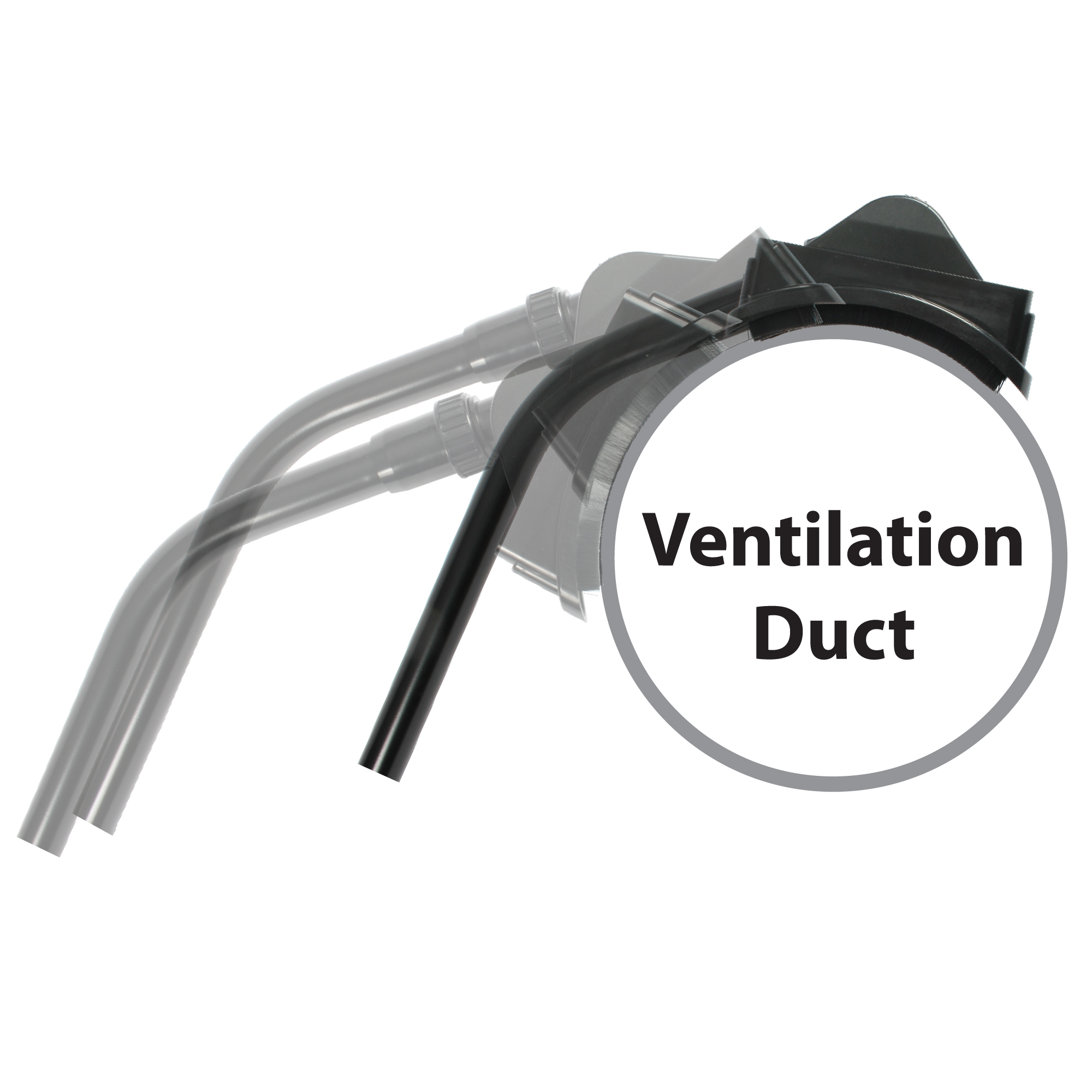
For this customer’s log size, the best match was likely the tool designed for 2-foot diameter surfaces.
That may sound a little oversized compared to a 12-inch log, but in the real world, it gives the tool a shape that can ride the curve more naturally than a small brush that only touches one narrow point.
Why the Small Curved Brushes Probably Weren’t the Best Fit
The customer mentioned that he doubted the 5-inch or 7-inch curved pipe brushes would be large enough.
That instinct was probably right.
Smaller curved brushes can be useful in tighter applications, but when you are dealing with large handcrafted logs and trying to clean broad rounded surfaces overhead, you usually want a tool that:
-
covers more surface area
-
follows a larger radius
-
stays more stable on the curve
-
works efficiently from the floor
That’s why the 95754 Reach kit made more sense for this application than a smaller curved brush.
A Smart Add-On for Tight Spots: 63272 Dusting Tool
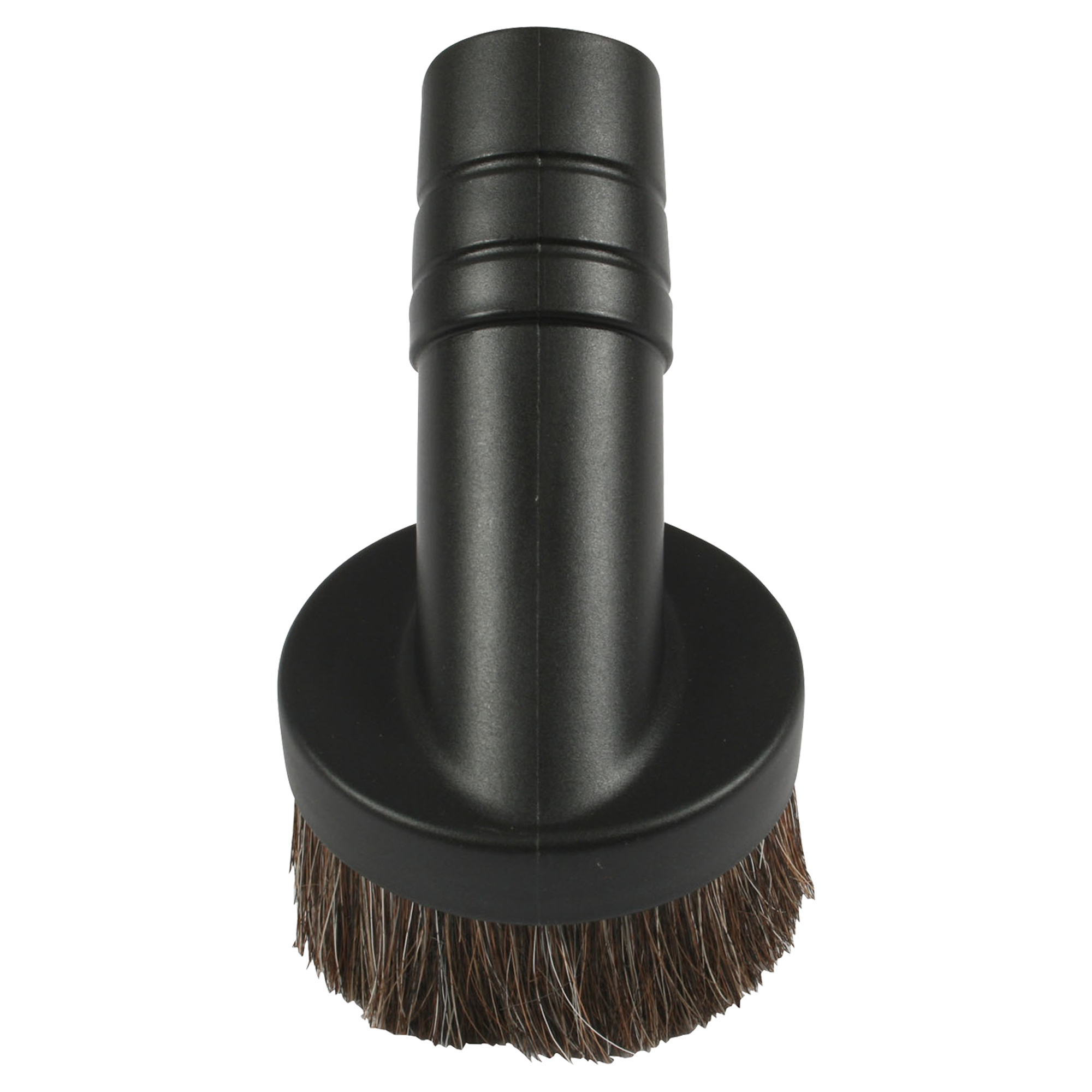
The next recommendation was the 63272 dusting tool.
This is a round dusting brush with natural fill, and it would be especially useful for tighter spaces where the bigger curved tools might not reach as cleanly.
Think areas like:
-
where the logs meet the wall
-
where the logs meet the roofline
-
detailed transitions and corners
-
tighter overhead spots that need a lighter touch
In real-world cleaning, those are often the dustiest and most annoying places to reach. A round natural-fill brush gives you better control in those areas.
Another Helpful Tool: 61358 for Vertical Surfaces and Windows
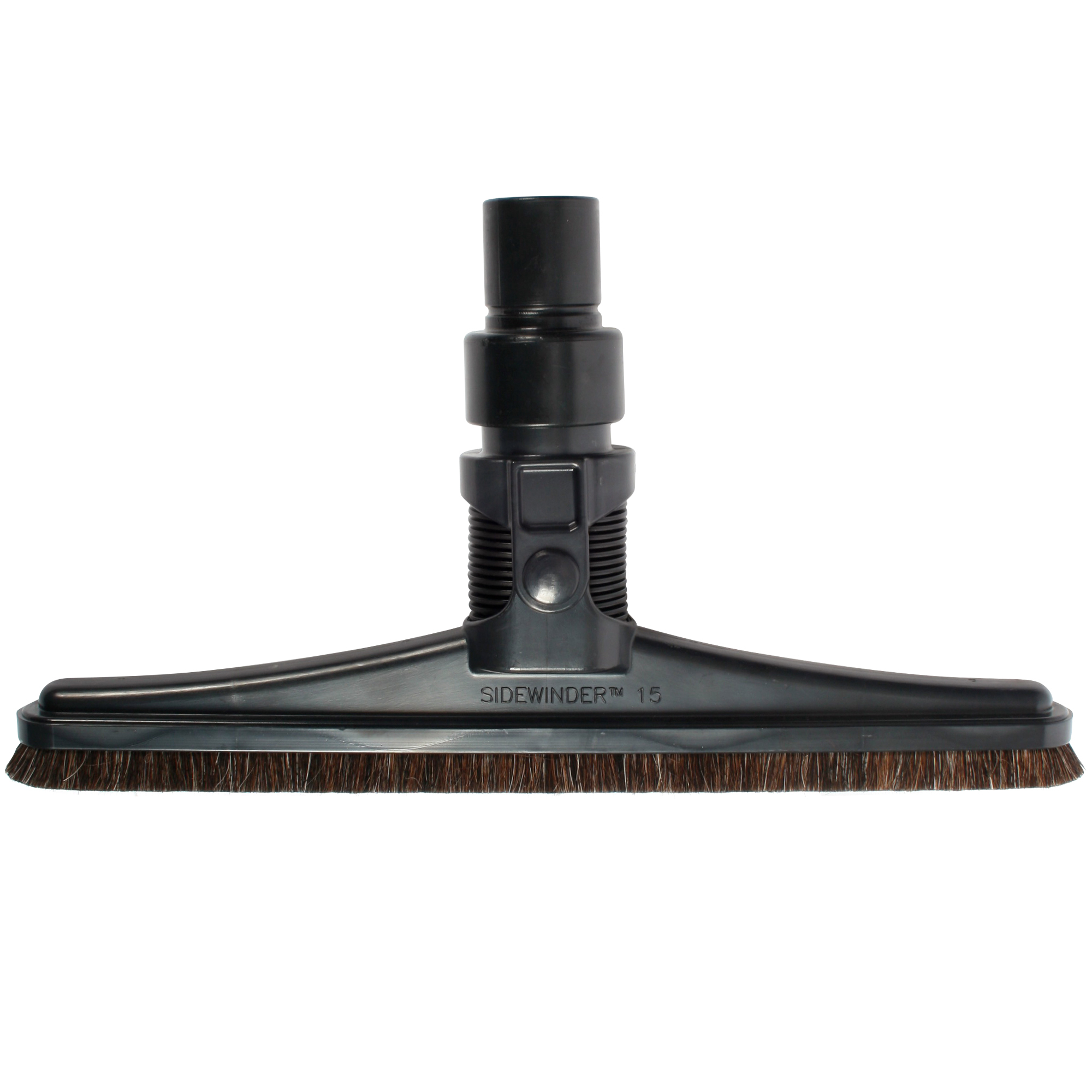
The customer also mentioned wanting to clean side walls; and that opened the door to another useful option: the 61358.
The 61358 is a 15-inch natural fill brush with a pivoting neck. It fits the same 45-degree adapter wand used in the 95754 kit.
That makes it a good add-on for:
-
vertical log walls
-
elevated window glass surrounds
-
window frames
-
other tall flat or mostly flat surfaces often found inside log homes
So instead of trying to force one tool to do everything, the better real-world setup is usually a combination:
-
one tool for the large curved logs and purlins
-
one tool for tighter edges and transitions
-
one tool for vertical surfaces and windows
That gives the user more control and usually leads to better results.
One Important Thing to Check Before Ordering: Hose Connection Size
There was one other practical point in the recommendation that matters a lot.
The 95754 kit assumes it will connect to a hose end with a 1.50-inch inner diameter.
So before ordering, the customer was advised to check the diameter of the working end of his hose.
That’s an important reminder for anybody putting together a long-reach vacuum setup: the cleaning tools may be right for the job, but the connection still has to match your vacuum hose.
If the hose diameter is something different, an adapter or alternate connection may be needed.
What This Means for Real-World Log Home Cleaning
This customer’s question is a great example of how unusual cleaning jobs usually need a more thoughtful setup.
For a log home with purlins up to 21 feet high, the answer wasn’t just “buy longer poles.” The better solution was to think through:
-
surface shape
-
height
-
tool pivot
-
brush style
-
hose connection
-
tighter detail areas versus broader curved areas
That’s what makes the 95754 Reach kit such a strong starting point here. It was built for cleaning rounded overhead surfaces from the floor, which happens to translate really well to many log-home applications.
Final Takeaway
If you need to vacuum large round logs and purlins up to 21 feet high from the floor, a long-reach setup can absolutely work, but the key is choosing a tool that can track the curve of the surface instead of just barely touching it.
For this customer, the recommended setup started with:
-
95754 Reach kit
-
63272 dusting tool for tighter spaces
-
61358 natural fill brush for vertical surfaces and elevated windows
And before ordering, it was important to confirm that the vacuum hose end had a 1.50-inch inner diameter for proper connection.
If you’re cleaning a log home, exposed beams, or other high rounded surfaces, this kind of setup can make the job much easier and a lot safer than trying to do it from a ladder.